
— WHAT WE DO —
The evidence is clear.
The response has to be human.
Institutionalized children with disabilities face documented developmental harm — and what the research says is most missing is what we most specialize in: devoted human relationship. Our work takes three forms: mentorship, seminars and workshops, and advocacy.
— OUR THREE PILLARS —
One mission.
Three expressions.
Each pillar reinforces the others. Mentorship meets children directly with steady presence. Seminars equip the adults around them to sustain that presence. Advocacy keeps them visible in the larger conversation — because the research is clear, and so is what's missing.
1
Mentorship
Disability-informed adults walking alongside institutionalized children — offering the intentional presence that research, and common sense, both say is missing.
2
Seminars & Workshops
Formation for caregivers, families, communities, and children — equipping those on the front lines to restore dignity through presence.
3
Advocacy & Awareness
Naming what the evidence already shows: institutionalized children with disabilities are being harmed by isolation and stigma — and they are too often missing from the conversation.
— PILLAR 1 —
MENTORSHIP
Two groups.
One relationship that changes both.
Uniting those who want to be needed with those who need to be wanted.
We pair institutionalized children with disability-informed mentors who offer example, encouragement, and steady presence. Our focus is children with disabilities, but in some institutions we serve, disabled and other disadvanataged children live side by side, and our mentors' witness reaches them all: the experience of being overlooked needs no diagnosis to be understood. Partnering with mission-based orphanages, schools, and hospitals, our one-on-one relationships build trust, teach life skills, and create belonging — bridging the psychological and social gaps that isolation leaves behind, and guiding resilient transitions into adulthood.
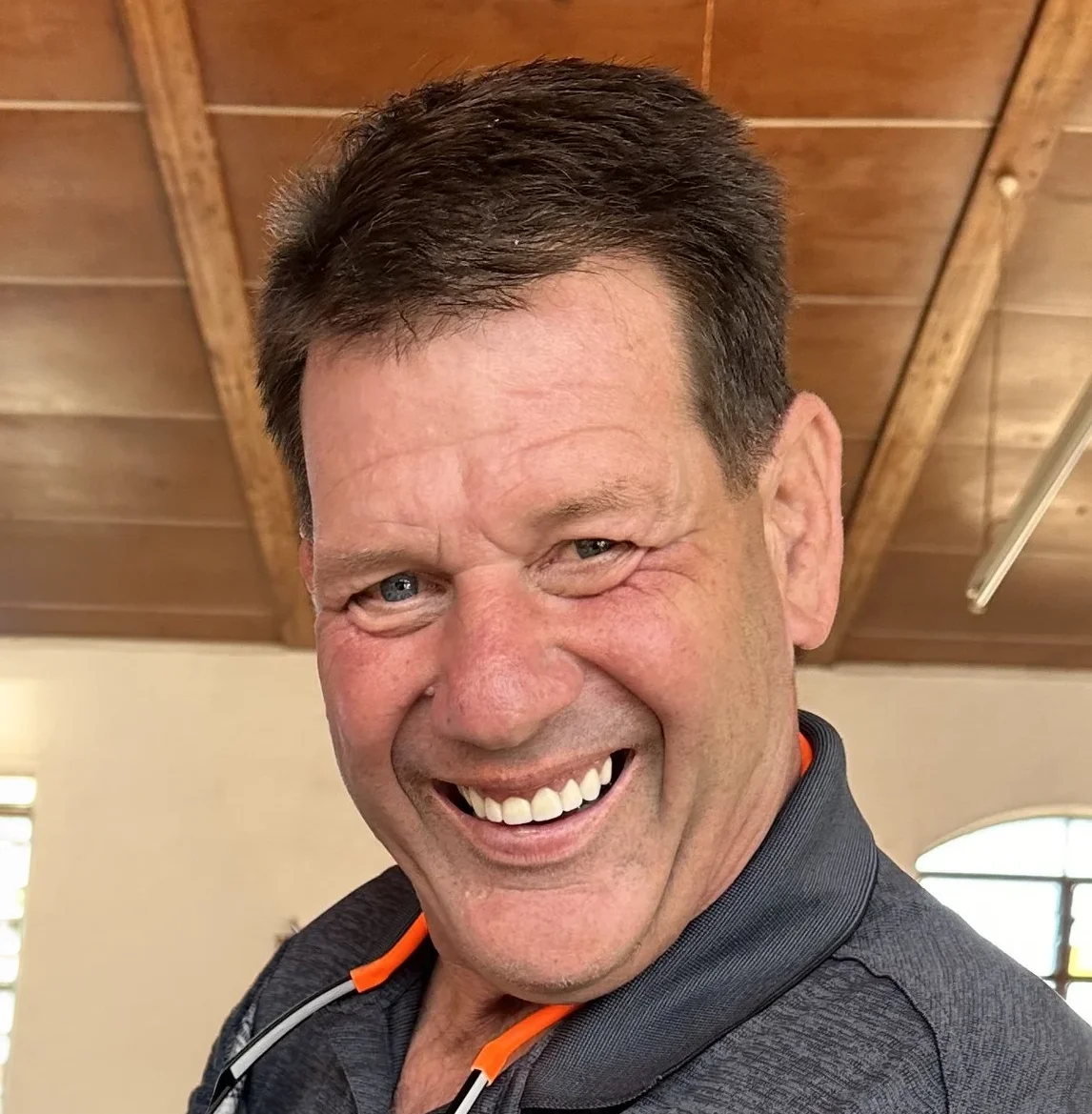
Disabled Adults
“Those who want to be needed.”
Adults living with disabilities carry hard-won wisdom forged through adversity. They are not volunteers who feel sorry for the children they serve — they are mentors who have navigated a world that underestimated them. Their presence communicates what no program can.
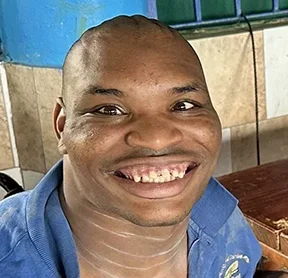
Institutionalized Children
“Those who need to be wanted.”
Children with disabilities and other disadvantages in residential institutions grow up unseen and unclaimed. They don't need another program. They need a person — someone who understands what it means to be overlooked, and who keeps coming back.
1
Form & Equip
We form and equip disabled adults as mentors — honoring lived experience as the primary credential.
2
Pair & Sustain
Mentors are paired with institutionalized disabled children and meet faithfully. Faithful presence is the point.
3
Both Are Transformed
The child discovers belonging. The adult discovers purpose. The relationship becomes the healing.
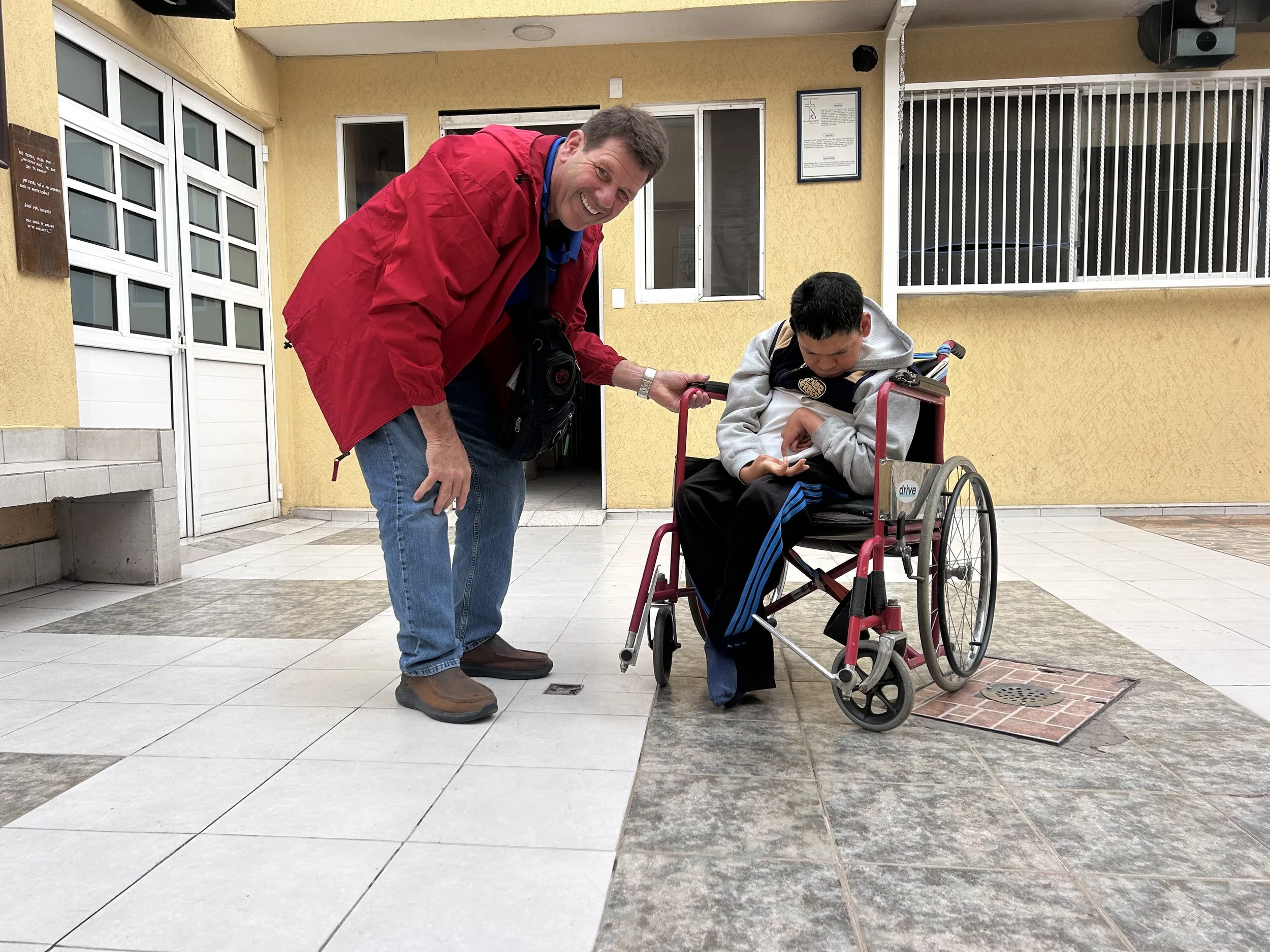
IN THE FIELD
Craig and Carlos during a Mexico City visit — the relationship that becomes the healing.
— A PARTNER'S WITNESS —
"Even if your mother forgets you,
God will never forget you."
Sister Julie serves boys the world has left behind. She describes what our mentors' presence revealed — to her children, and to her.
"The most amazing thing — just the presence. It doesn't matter what you have or what you're born with. If you use that gift to the fullest, you could do wonderful things."
SISTER JULIE MATTHEWS · GUYANA MISSION PARTNER
“The work of reform takes years.
The child waiting for someone to know their name cannot.”
— PILLAR 2 —
SEMINARS & WORKSHOPS
Equipping those on the front lines.
Empowering staffs, communities, families, and children to rise above limitation with hope, resilience, and purpose.
John Foppe leads a transformative workshop series tailored to four distinct audiences. Each session moves participants from charity-based thinking toward relationships of mutual dignity — and equips them to foster presence, compassion, and shared responsibility.
“Restoring Dignity: Reframing Care from Service to Solidarity”
STAFFS · VOLUNTEERS · DIRECT SUPPORT
A practical, spiritual framework that lifts caregiving from maintenance to mission — equipping staff to avoid burnout and foster capability in the children they serve.
“Called to More: Raising Children with Disabilities Without Lowering the Bar of Hope”
PARENTS · SIBLINGS · EXTENDED FAMILY
For parents navigating the tension between protecting and challenging their children — honest, faith-rooted counsel on fostering independence and identity beyond diagnosis.
“The Gift of Presence:
How Communities Help Children with Disabilities Flourish
FAITH COMMUNITIES · CIVIC ORGS · EDUCATORS
An inspiring keynote inviting communities to rethink inclusion — moving from low expectation and isolation toward belief, belonging, and shared responsibility.
“What's Your Excuse? Living with Courage and Purpose — No Matter What Holds You Back”
AGES 10–18
A direct conversation with young people about courage, faith, and purpose — delivered by someone who has lived what he teaches.
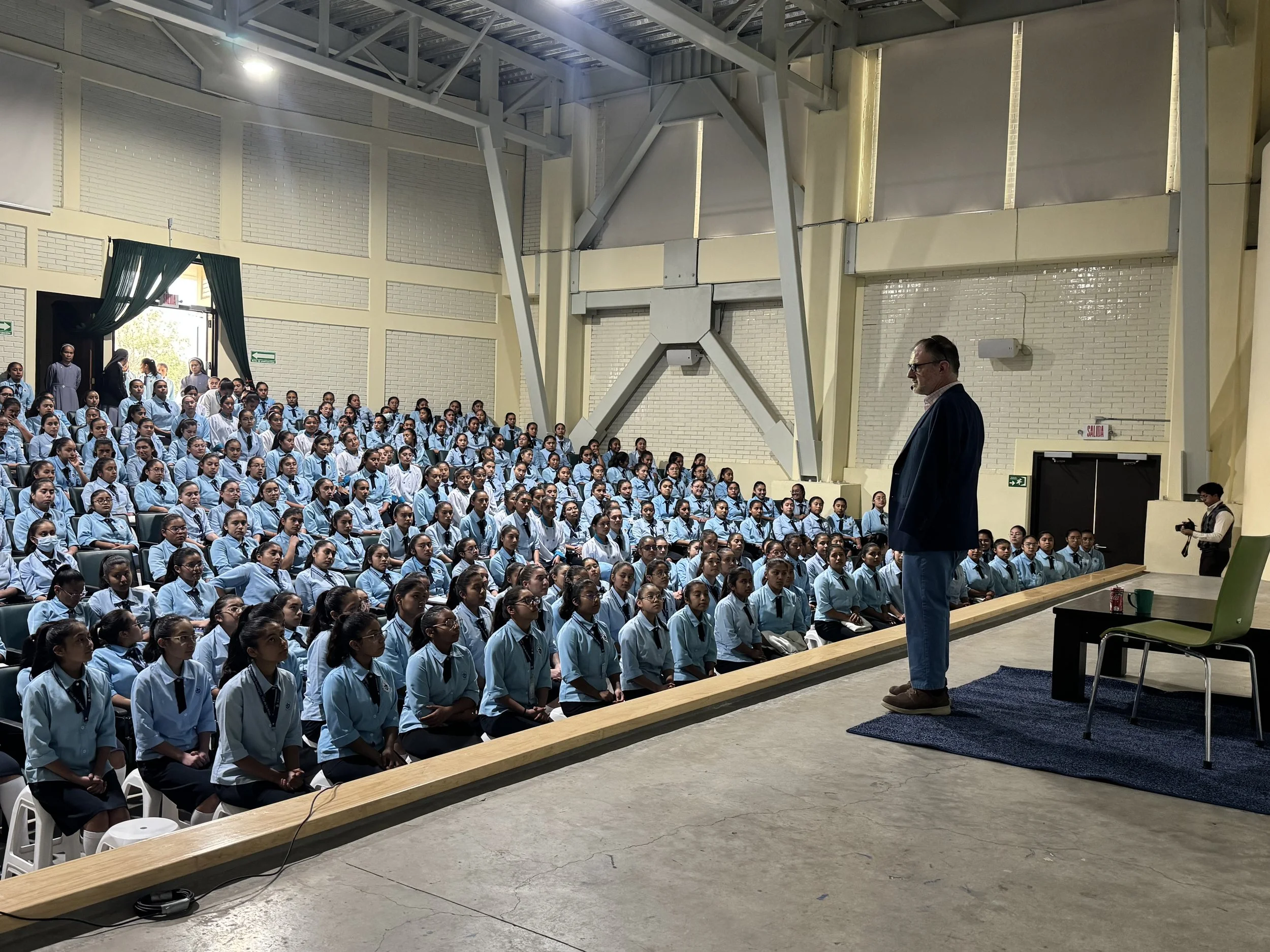
IN THE FIELD
As John speaks, something deeper than a talk unfolds—presence. Because kids mature in relationship, not isolation. In moments like this, the journey from longing to belonging begins.
— PILLAR 2 —
SEMINARS & WORKSHOPS
Equipping those on the front lines.
Empowering staffs, communities, families, and children to rise above limitation with hope, resilience, and purpose.
John Foppe leads a transformative workshop series tailored to four distinct audiences. Each session moves participants from charity-based thinking toward relationships of mutual dignity — and equips them to foster presence, compassion, and shared responsibility.
“Restoring Dignity: Reframing Care from Service to Solidarity”
STAFFS · VOLUNTEERS · DIRECT SUPPORT
A practical, spiritual framework that lifts caregiving from maintenance to mission — equipping staff to avoid burnout and foster capability in the children they serve.
“Called to More: Raising Children with Disabilities Without Lowering the Bar of Hope”
PARENTS · SIBLINGS · EXTENDED FAMILY
For parents navigating the tension between protecting and challenging their children — honest, faith-rooted counsel on fostering independence and identity beyond diagnosis.
“The Gift of Presence:
How Communities Help Children with Disabilities Flourish
FAITH COMMUNITIES · CIVIC ORGS · EDUCATORS
An inspiring keynote inviting communities to rethink inclusion — moving from low expectation and isolation toward belief, belonging, and shared responsibility.
“What's Your Excuse? Living with Courage and Purpose — No Matter What Holds You Back”
AGES 10–18
A direct conversation with young people about courage, faith, and purpose — delivered by someone who has lived what he teaches.
IN THE FIELD
As John speaks, something deeper than a talk unfolds—presence. Because kids mature in relationship, not isolation. In moments like this, the journey from longing to belonging begins.
— PILLAR 3 —
ADVOCACY & AWARENESS
The evidence is clear.
The response has to be human.
Isolation and stigma are not side effects of institutional care. They are the harm.
The research is consistent and well-established: children raised in institutions experience delays in brain development, attachment, and cognitive function — harm that compounds over time. Friends of the Forgotten is not a clinical program, and we don't pretend to be. We are a relational mission, working in partnership with those who are. Our role is to keep institutionalized children with disabilities visible — and to remind every audience we speak to that what the evidence identifies as most missing is also the most human: someone who shows up and stays.
WHAT THE RESEARCH SAYS
“Children raised in institutions experience measurable delays in brain development, attachment, and cognitive function. The first five years of life are the most critical for brain development — and the most vulnerable to deprivation.”
— SUMMARIZED FROM HARVARD CENTER ON THE DEVELOPING CHILD · WHO · UNICEF
5–6M
children in institutional or residential care worldwide
Connection
responsive relationships with caring adults are essential to healthy development
80–90%
of children in orphanages have at least one living parent — most are not orphans
30–80%
share of institutionalized children who have disabilities in many regions
Early childhood
most critical window for brain development — and most vulnerable to deprivation
Lifetime
many disabled children remain in institutional care, often growing up entirely within them
Sources: UNICEF · WHO · Harvard Center on the Developing Child · Better Care Network · Lumos · Hope and Homes for Children
Where we align with the field
Family-based care as the long-term goal for every child
Recognition of the developmental harms of prolonged institutionalization
Prioritizing disability inclusion across child-welfare work
Respect for local caregivers and culturally rooted solutions
Safeguarding as non-negotiable across every pairing
Depth of relationship over breadth of reach
Where we fill the gap
Serving children already inside institutions today — not waiting for reform
Naming isolation and stigma as the harm, not just the setting
Offering what research identifies as most missing: consistent relationship
Forming mentors from lived disability experience, not outside expertise
Speaking publicly for the population most often left out of the conversation
— TAKE THE NEXT STEP —
Three pillars. One invitation.
Whether you give, mentor or help raise awareness, you join a mission ensuring no child grows up believing they are forgotten.